
LIBERI LUDI
Latin for "children's games"

An international non-profit supporting children in migration
through play, storytelling, and animation

An international non-profit supporting children in migration through play, storytelling, and animation

Liberi ludi

Latin for "children's games"

Identity begins with culture

Every child carries an artist within.

Art is a language every child already speaks.

We help children make this language shared.

our mission

Liberi Ludi aims to support the natural integration of newcomer children into the European cultural and civic environment, while preserving their own identity

• reading and analysing the archetypal and classical stories at the root of European culture,

• creating their own stories from these, with contemporary technical means,

• stepping forward in their new community with work of their own, as equals with the local children.


To this end, Liberi Ludi gives extracurricular educators and parents the tools to let children create animation together with their peers, built on three principles: minimal screen use, the device as a tool rather than a habitat, and learning through play.
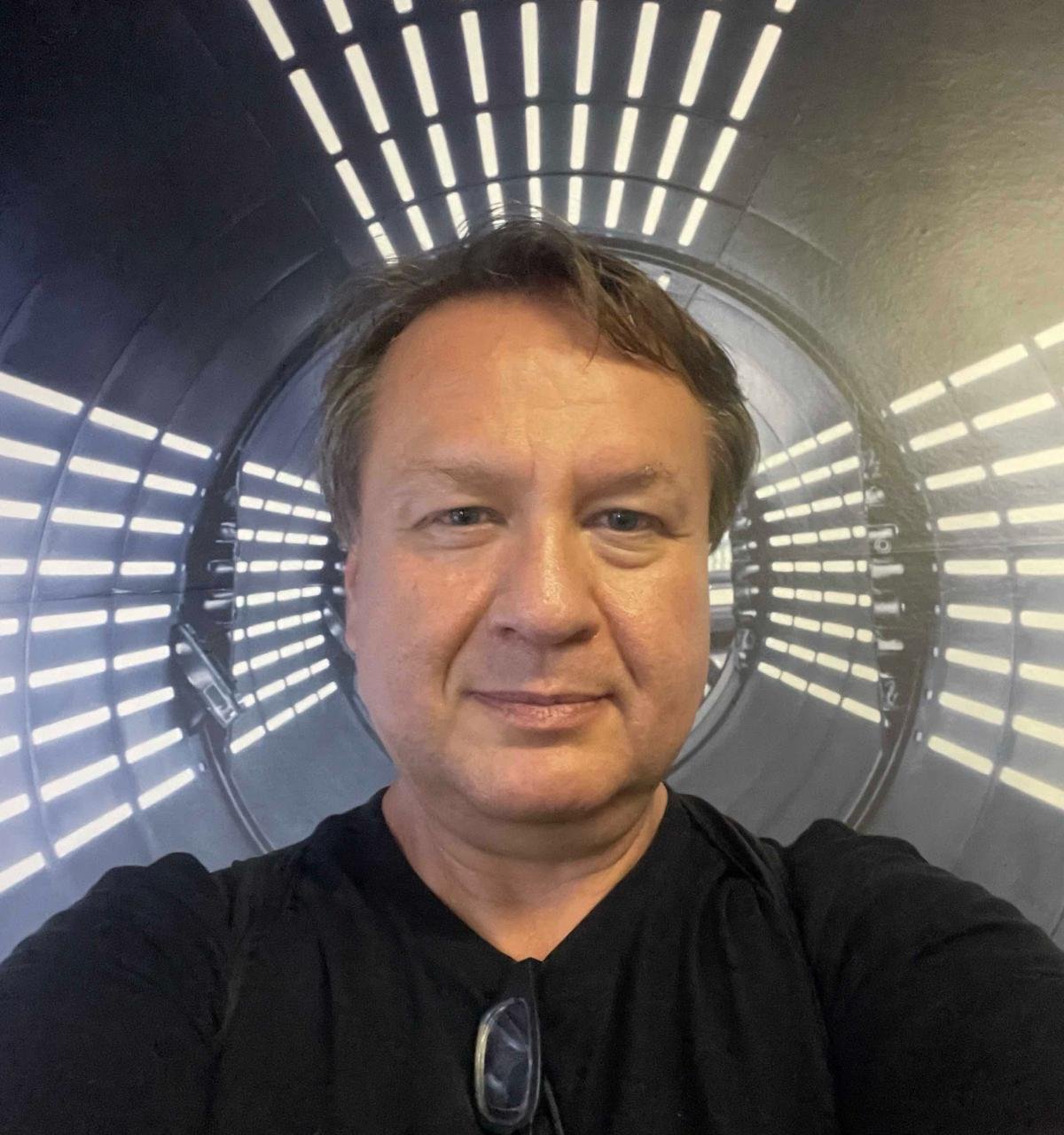
Maria Povorozniuk

President
Ernest Shur

Vice-President
Children experiencing migration and cultural adaptation often face a rupture of identity. On one side, there is the risk of retreating into their own cultural "bubble". On the other, the danger of dissolving into the new environment without forming a stable personal foundation.

Overcoming the language barrier alone does not resolve the problem of social adaptation, either among peers or within the wider cultural environment. Institutionally, newly arrived children are most often offered the educational minimum, which, given their heightened need for social integration, borders on indifference in practice. Among peers, they may encounter exclusion, hostility, and at times aggression.

As a result, children may feel compelled to give up the level of personal development they had already reached in their native cultural environment in order to fit in to the new one. This often leads to lower self-esteem and, in turn, to behavioural difficulties.

A particularly vulnerable group, within the broader 8-12 age range that the Liberi Ludi method addresses, is children aged 10-12: those standing on the threshold of adolescence, a period that can significantly intensify problems of adaptation and socialisation.

Identity through culture. Social integration through shared creativity.

One of the most effective ways to overcome social isolation and rebuild children's confidence is collaborative creative play that ends in a finished work the children make together. In such play, newly arrived children can take part on equal terms with their peers, regardless of how well they speak the language of the host country.

Many forms of creative activity can help newly arrived children develop their abilities and express themselves. Yet few are specifically designed to address what migration most often calls for: cultural adaptation, a sense of belonging and meaningful connection with peers.

Liberi Ludi supports projects and forms of creative work that treat adaptation as a social and cultural process, not only an educational one.Our programmes help children find their way in a new environment while preserving their personal identity, cultural memory and sense of self.

Drawing on pedagogical theory, the work of earlier educators and our own field experience, Liberi Ludi developed the Read, Cut & Film method. Through the playful game of being an animator, it allows newly arrived children to enter a new cultural environment naturally and build relationships with their peers through shared storytelling, without the pressure of linguistic perfection.

Children undergoing migration and cultural transition often face a disruption of identity.

On one side, there is a risk of isolation within their original cultural “bubble.” On the other, the danger of dissolving into a new environment without forming a stable personal foundation.

Even overcoming language barriers does not solve the deeper challenges of social and cultural integration.

Institutional support typically provides only a minimum educational framework, which, given the heightened need for social inclusion, often borders on neglect.

Among peers, children may encounter exclusion or even aggression.

As a result, they are often forced to abandon previously achieved levels of personal development in order to “fit in,” leading to decreased self-esteem and, in some cases, behavioral issues.

A particularly vulnerable group is middle grade children (ages 10–12) — at the threshold of adolescence, when adaptation challenges intensify.

This age group is the primary focus of Liberi Ludi.

Identity through culture. Socialization through collaborative creativity.

One of the most effective ways to overcome social alienation is through collaborative creative activity in a playful format with a guaranteed artistic result. In such activities, relocated children are able to express themselves on equal footing with their peers.

In particular, Liberi Ludi offers a solution through the creation of original animated films using stop-motion cutout animation techniques based on classical works of world and European culture.

By creating audiovisual works, relocated children immerse themselves in a new cultural environment through play and become more familiar with the values underlying European democratic society.

HOW IT WORKS

Social integration through art works in two directions at once. By reading stories and creating their own, children develop perception, analytical thinking and imagination. By creating together, they build new social connections and anchor their cultural experience in shared practice.

Until recently, making an animated film was the domain of professionals. It required specialised equipment, technical knowledge, and weeks or months of production. Today, analogue frame-by-frame animation has become far more accessible. With a clearly structured sequence and the right materials, children can complete a finished short film in a matter of hours.

The Read, Cut & Film method brings five stages into a single creative cycle:

Read and discuss the story together,
Imagine and sketch the storyboard, the child’s own plan for the film,
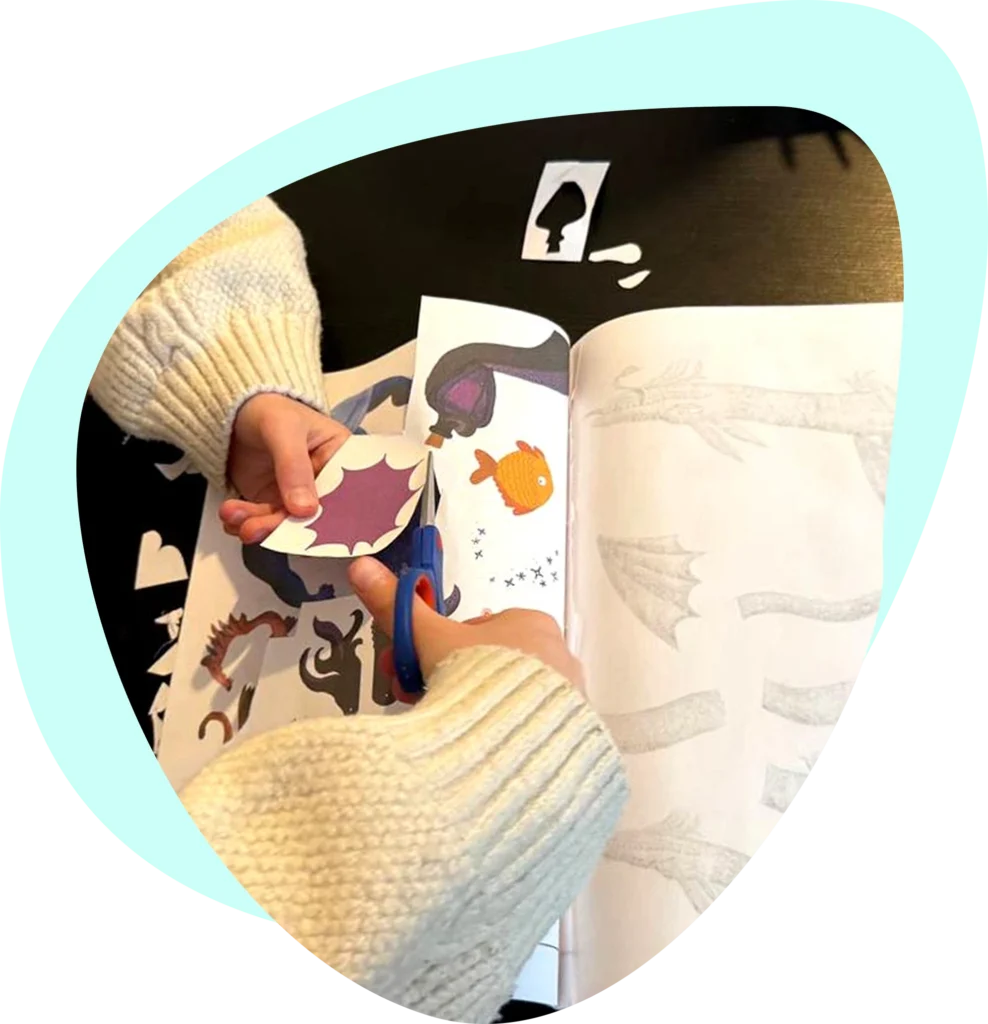
Cut and create characters and backgrounds (paper cut-out),
Film and edit a short stop-motion animation,
Show and share the finished work with peers.

Liberi Ludi offers two ways for educators and cultural workers to use the method: ready-made animation kits, with stories, character templates and step-by-step guides; and methodological support for teachers, tutors and workshop leaders who wish to use the practice in their work with children, including in projects focused on the integration of newly arrived children.

WHAT MAKES
US


DIFFERENT

WHAT MAKES
US DIFFERENT

Liberi Ludi works at the intersection of publishing, extracurricular arts education, and contemporary creative development practices. This allows us to approach the social integration of migrant children as a whole, rather than as a single educational task.

We do not simply distribute educational content. We create tools that allow children to become authors themselves, producing their own works based on classical literature, myths, fairy tales, and archetypal stories.

We believe that storytelling through creative practice helps children adapt to a new cultural environment in a more natural, engaging, and less traumatic way, especially in the period before they have fully acquired the language of the host country.

Liberi Ludi is built for migrants, largely by people with lived migration experience. The organisation brings together artists, animators, child psychologists, and leaders of extracurricular creative programmes from different countries. Many of them have themselves experienced migration in recent years and know first-hand the challenges of adaptation, identity, and social inclusion.

Rather than treating children as recipients of support, we aim to create conditions in which they can participate, express themselves, and build new social connections through shared creative work.

Liberi Ludi operates
at the
inter
section
of:

LIBERI LUDI PROGRAMS

CONTENT

EDUCATION

INTERACTION

WHAT CAN BE SUPPORTED

WHAT
CAN BE SUPPORTED

Liberi Ludi is an association of artists and educators.
We help every child, newcomer or local, recognise themselves inside the European story.

The project includes three key:

How we help to play.

Creative material for children, made by artists.

Animation kits. Ready-to-use sets of materials for a Read, Cut & Film lesson. Every kit takes a story from the European canon, a myth, a folktale, a classic of children's literature, a narrative of personal freedom and democracy, and rebuilds it as a sequence of scenes that children can film themselves. The European story does not arrive as a text to be read but as a film to be made.

Books for children. Where a kit is a set of sketches a child can shoot, a book is a whole world to live inside: myths like The Labours of Heracles, classics like Pinocchio or Captain Nemo. A child builds their self through stories, and so does Europe. Pinocchio's nose grows when he lies. Captain Nemo weeps for his comrades when he wins. Honour, dignity, conscience, the refusal to deceive: these are not announced from a podium, they live inside the stories Europe tells its children.

Translations for tutors and parents. We translate contemporary pedagogical writing on inclusive and whole-child development into Central and Eastern European languages, focused on what is not yet available there. Much of this contemporary discourse remains untranslated into the local languages, and adults today often do not know where modern European schooling comes from, why homework is no longer the centre of school life, or what stands behind the idea of a child as a person. We translate the books that explain it.


The working space behind it: liberiludi.com, for educators and partners.

How we help to teach.

Methodology and support for tutors, teachers and parents.

Programmes inside schools. We back concrete programmes that schools and cultural centres launch on their side, most often as extracurricular art lessons, where newcomer and local children create an art project of their own, a short film or another form, built from a European story.

Video courses for tutors and teachers. A full description of the Read, Cut & Film method in two layers. The practical layer: how to teach a child to shoot a film, frame by frame, rather than ask a tool to generate one for them while they play. The educational layer: how to bring a story into the room as a way for the child to recognise themselves, and how to draw out the subtext that makes Europe Europe, the victory of reason over force, of dialogue over command, and much else that lives between the lines of a story.

Joint creative contests. We open contests in partnership with schools and cultural centres where newcomer children take part on the same footing as their local peers.

Mentoring for relocated artists. We work with animators and illustrators who arrived into Europe themselves and want to contribute to materials for newcomer children. The form is online courses, professional seminars hosted at European animation studios, and joint projects with established European artists.

Where we help.

A zone of partnership.

Support for local initiatives. In every country there are already schools, libraries and cultural centres working with newcomer children, and we are not the first to come. What we add is a European frame placed over the national and the linguistic one, so that the local work begins to speak in a wider voice.

Co-productions with European artists. Shared projects with illustrators, animators and authors across Europe who share the mission.

Creative Space. The community around Liberi Ludi: artists in the broad sense, tutors, teachers, everyone already doing this work and everyone who wants to begin. Two doors at once. Bring your own project and ask Liberi Ludi to support it. Or step into someone else's experience and learn from it.

Support the Project

How we help to play.

Creative material for children, made by artists.

Animation kits. Ready-to-use sets of materials for a Read, Cut & Film lesson. Every kit takes a story from the European canon, a myth, a folktale, a classic of children's literature, a narrative of personal freedom and democracy, and rebuilds it as a sequence of scenes that children can film themselves. The European story does not arrive as a text to be read but as a film to be made.

Books for children. Where a kit is a set of sketches a child can shoot, a book is a whole world to live inside: myths like The Labours of Heracles, classics like Pinocchio or Captain Nemo. A child builds their self through stories, and so does Europe. Pinocchio's nose grows when he lies. Captain Nemo weeps for his comrades when he wins. Honour, dignity, conscience, the refusal to deceive: these are not announced from a podium, they live inside the stories Europe tells its children.

Translations for tutors and parents. We translate contemporary pedagogical writing on inclusive and whole-child development into Central and Eastern European languages, focused on what is not yet available there. Much of this contemporary discourse remains untranslated into the local languages, and adults today often do not know where modern European schooling comes from, why homework is no longer the centre of school life, or what stands behind the idea of a child as a person. We translate the books that explain it.


The working space behind it: liberiludi.com, for educators and partners.

How we help to teach.

Methodology and support for tutors, teachers and parents.

Programmes inside schools. We back concrete programmes that schools and cultural centres launch on their side, most often as extracurricular art lessons, where newcomer and local children create an art project of their own, a short film or another form, built from a European story.

Video courses for tutors and teachers. A full description of the Read, Cut & Film method in two layers. The practical layer: how to teach a child to shoot a film, frame by frame, rather than ask a tool to generate one for them while they play. The educational layer: how to bring a story into the room as a way for the child to recognise themselves, and how to draw out the subtext that makes Europe Europe, the victory of reason over force, of dialogue over command, and much else that lives between the lines of a story.

Joint creative contests. We open contests in partnership with schools and cultural centres where newcomer children take part on the same footing as their local peers.

Mentoring for relocated artists. We work with animators and illustrators who arrived into Europe themselves and want to contribute to materials for newcomer children. The form is online courses, professional seminars hosted at European animation studios, and joint projects with established European artists.

Where we help.

A zone of partnership.

Support for local initiatives. In every country there are already schools, libraries and cultural centres working with newcomer children, and we are not the first to come. What we add is a European frame placed over the national and the linguistic one, so that the local work begins to speak in a wider voice.

Co-productions with European artists. Shared projects with illustrators, animators and authors across Europe who share the mission.

Creative Space. The community around Liberi Ludi: artists in the broad sense, tutors, teachers, everyone already doing this work and everyone who wants to begin. Two doors at once. Bring your own project and ask Liberi Ludi to support it. Or step into someone else's experience and learn from it.

Support the Project

PROOF
OF
CONCEPT

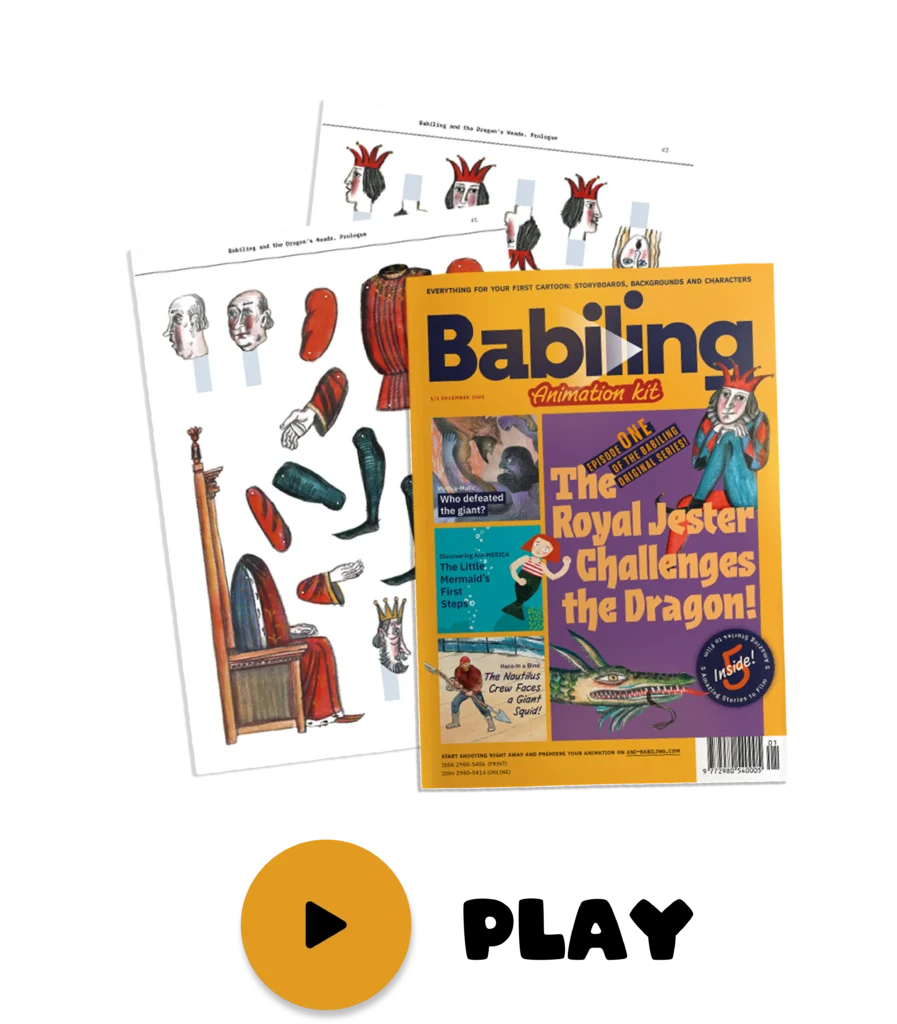
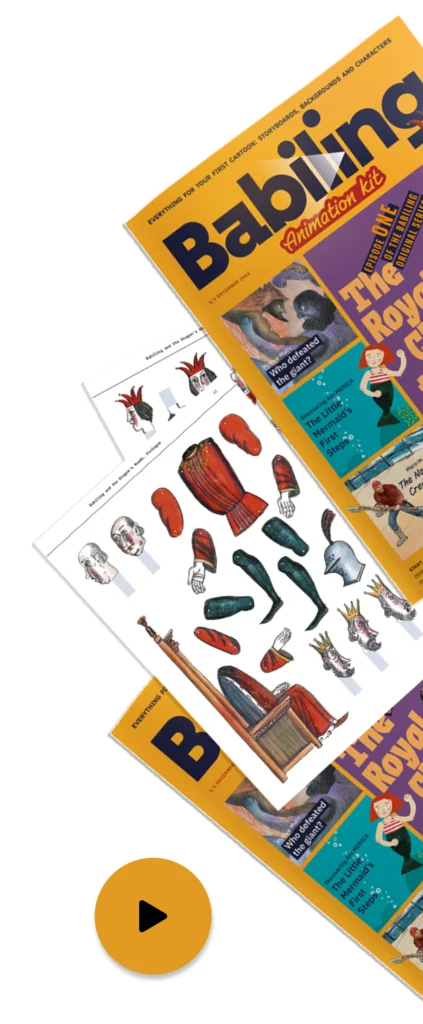
The Read, Cut & Film method is already at work, in the form of the Babiling Animation Kit. The pilot issue is out, made by European artists in relocation for newcomer children and the children already growing up next to them.

Every issue gathers a handful of scenes from European stories chosen for what they carry, not for what they decorate.

Heracles and Antaeus. The archaic giant who lives by raw force gives way to a hero on a human scale who wins by thinking. Europe steps out of the cult of strength.

The Little Mermaid, the first step. Not the meeting, not the kiss, but the moment she takes her first step on her new legs, the most responsible act of her life. A scene any girl growing into a new self can recognise.

The court jester between the Princess and the Dragon. A small European archetype: the figure who carries no weapon and uses laughter, and laughter defeats Evil.

The Nautilus and the giant octopuses. One of the most spellbinding pages in European book classics, the moment imagination becomes stronger than fear.


Each scene comes ready for one filming session, with no editing afterwards:

• a narrative;
• characters drawn for paper cut-out animation;
• a storyboard;
• backgrounds and locations;
• filming instructions that help the facilitator and themselves act as a part of the game with the animation construction set.

The pilot issue was built by artists who had themselves relocated, from different countries into different countries, working together remotely with English as their shared working language. Every scene was tested first on their own children. What you open is a kit that has already passed the test of a real child's table.

Observed across the pilot lessons:

• one story takes about two hours, from first cut to final frame;
• the gadget changes role, it is no longer a screen to be consumed, it is a tool to film with;
• children with signs of screen dependency shift attention fully to the act of filming;
• concentration rises (a property stop-motion brings by itself);
• social barriers between newcomer and local children fall, and the communication around the shared task rebuilds itself;
• even on free editing apps, the result is visible immediately, with no post-production.


And the artistic principle behind all of this: the story is one, the version is each child's own. Twenty children, twenty films, one Heracles. This is the other side of the rule that runs through everything Liberi Ludi does: every child has their own story, and each one flows into the common one.

Babiling Animation Kit grows with the method. Each next issue listens to the young directors and the mentors who came before.

our PARTNERSHIP

our PARTNER
SHIP

Liberi Ludi is open to collaboration with:

educational institutions


cultural organizations


donors and partners